
How to elope in Scotland: a step-by-step practical guide
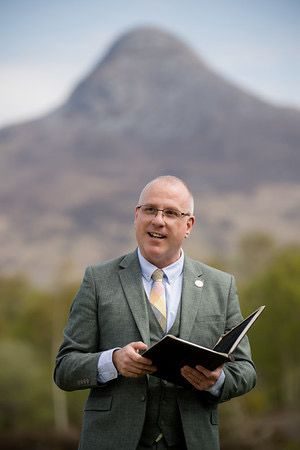
I've married couples on a Munro with the cloud sitting on our shoulders, on a beach with the tide creeping toward our shoes, and in a bothy with a stove doing the work of a wedding band. Elopements are having a real moment in 2026 — smaller, wilder, more outdoorsy weddings, often just two to six people — and most of what's written about them online comes from photographers, which means it's all mood boards and no logistics. So here's the version from the person who actually has to marry you: the practical, step-by-step guide to eloping in Scotland, legally and well.
First, the bit that surprises people: eloping isn't a legal shortcut
This is the single most common misunderstanding I hear, so let's clear it up early. Eloping in Scotland doesn't skip any paperwork. You still each complete an M10 marriage notice form and submit it to the registrar for the district where you'll marry, still at least 29 days before the wedding, still with your supporting documents. You still need a Marriage Schedule, collected in person before the day, and it still gets signed by you, your two witnesses and me on the day itself, then returned to the registrar within three days. None of that shrinks because your guest list did. I've written the whole process out in detail in my guide to the M10 and Marriage Schedule — read that alongside this one and you'll know exactly what's coming. There's also no residency requirement, so if you're eloping to Scotland rather than within it, you're just as welcome.
What eloping actually changes is the shape of the day, not the legal spine of it. It's a style choice — small, often outdoors, often somewhere remote — dressed up in a romantic word. Understanding that early saves people a lot of needless anxiety about whether they're "doing it properly."
How far in advance to plan
The legal floor is 29 days, but I wouldn't plan an elopement on that timeline unless you enjoy living dangerously. In practice I'd suggest starting two to three months out if you have a specific wild location in mind, want a particular photographer who elopements suit well, or need to build in a weather contingency (more on that below). If you're dreaming of a remote island or a Munro summit, add extra runway for travel logistics — ferries and forecasts both have opinions of their own. If you're genuinely spontaneous and want to move fast, it's absolutely possible; just get your M10 forms in the post the day you set a date, because that's the one deadline that doesn't bend for anybody.
Choosing a wild or remote location
This is the fun part, and also where I can save you some grief. A humanist wedding in Scotland isn't tied to a licensed venue — we can legally marry you on a hillside, a sea cliff, a forest path, a private beach, or literally the summit of a hill, provided we can physically get ourselves, your witnesses and a Marriage Schedule there. Things worth thinking through before you fall in love with a spot on Instagram:
- Access — can everyone attending actually reach it, including anyone less mobile, and can I get there with the paperwork dry and intact?
- Permission — much of Scotland's wild land is accessible under the right to roam, but some locations (estates, certain beaches, National Trust land) have their own rules about ceremonies, so it's worth a quick check or a polite email first.
- Mobile signal — not for romance reasons, for practical ones: if anything needs confirming last minute, or a witness is running late, you want at least one bar somewhere nearby.
- A fallback spot within walking distance — see below.
If you're drawn to somewhere further afield, the islands do this beautifully — I've written separately about marrying on Lewis, Uist or Skye, all of which lend themselves naturally to a small, elopement-style day.
Weather contingency — don't skip this bit
Scotland's weather does not read your Pinterest board. I plan every outdoor ceremony, elopement or otherwise, with a Plan B, and for elopements it matters even more because there's often no marquee, no venue coordinator and no indoor fallback booked as standard. Before the day I'll agree with you: a shelter option within a short walk or drive (a bothy, a car, a nearby hotel bar, even a friend's cottage), a rough weather-call time, and who makes the final decision if conditions turn genuinely unsafe rather than just a bit dreich. A bit of rain has never once ruined one of my ceremonies — I've married people happily drookit under golf umbrellas — but wind on an exposed summit or a rising tide on a beach are the two I take seriously, and we'll talk through your specific spot honestly rather than just hoping for the best.
Who actually needs to be there
Legally: you two, me, and two witnesses aged 16 or over. That's the entire required guest list for a legally binding Scottish wedding — everyone else, whether that's zero extra people or forty, is there purely because you want them there. If you're planning a true just-us elopement and don't have two witnesses lined up, this is rarely the obstacle people expect: a photographer, a mountain guide, a hotel host or even a friendly passer-by can usually stand in, and I'll help you think it through in advance so it's not a last-minute scramble on the day itself.
How a humanist ceremony flexes for two to six people
A humanist ceremony scales down beautifully, because the substance of it was never about numbers in the first place — it's your story, your words, and the two of you making a serious promise to each other. For an elopement I still write your ceremony from scratch, we still work on your vows together, and if you fancy a handfasting or a quaich, we can absolutely include one — a wild landscape and a handful of people is often when these traditions land hardest, with nothing competing for attention. What changes is pacing and tone: a tiny ceremony can afford to be quieter, more intimate, less performed for a room, and I shape the script accordingly rather than handing you a scaled-down version of a big-wedding template. For the honest numbers on what this costs compared with a larger wedding, I've laid it all out in my guide to humanist wedding costs in Scotland — an elopement is often, though not always, the more affordable route, mainly because there's less to hire.
How I actually work with couples who are eloping
Almost entirely over video call, right up until the day itself. We'll typically have two or three calls — getting to know each other, building your ceremony, then a final run-through — and I'll guide you through the M10 forms and registrar contact by email in between, with reminders so nothing slips. The only thing that has to happen in person is the wedding: I travel to wherever you've chosen, meet your two witnesses for the first time that morning more often than not, and we get on with it. Couples eloping sometimes worry this makes the ceremony feel less personal because we've never been in a room together beforehand — in my experience it's the opposite. By the time we're standing on your hillside or your beach, we've already done the real work of building your ceremony; the day itself is simply where we say it out loud. If an elopement sounds like your kind of wedding, have a look at my elopement page for more on how this works, or just get in touch and tell me what you're picturing.
Thinking about eloping? Tell me your rough dates and the kind of place you're picturing — hillside, beach, island, forest — and I'll come back with honest, practical advice on location, paperwork and timing.
Check my date